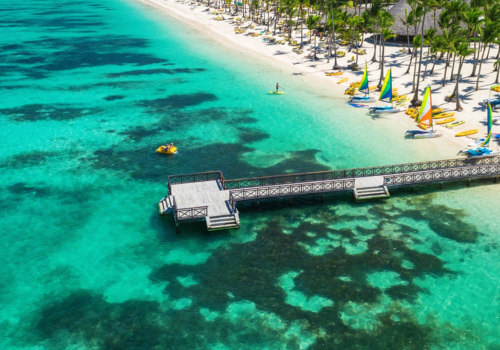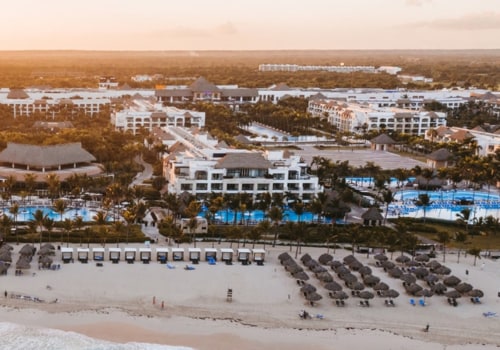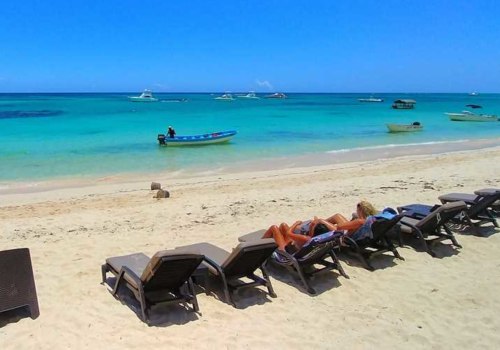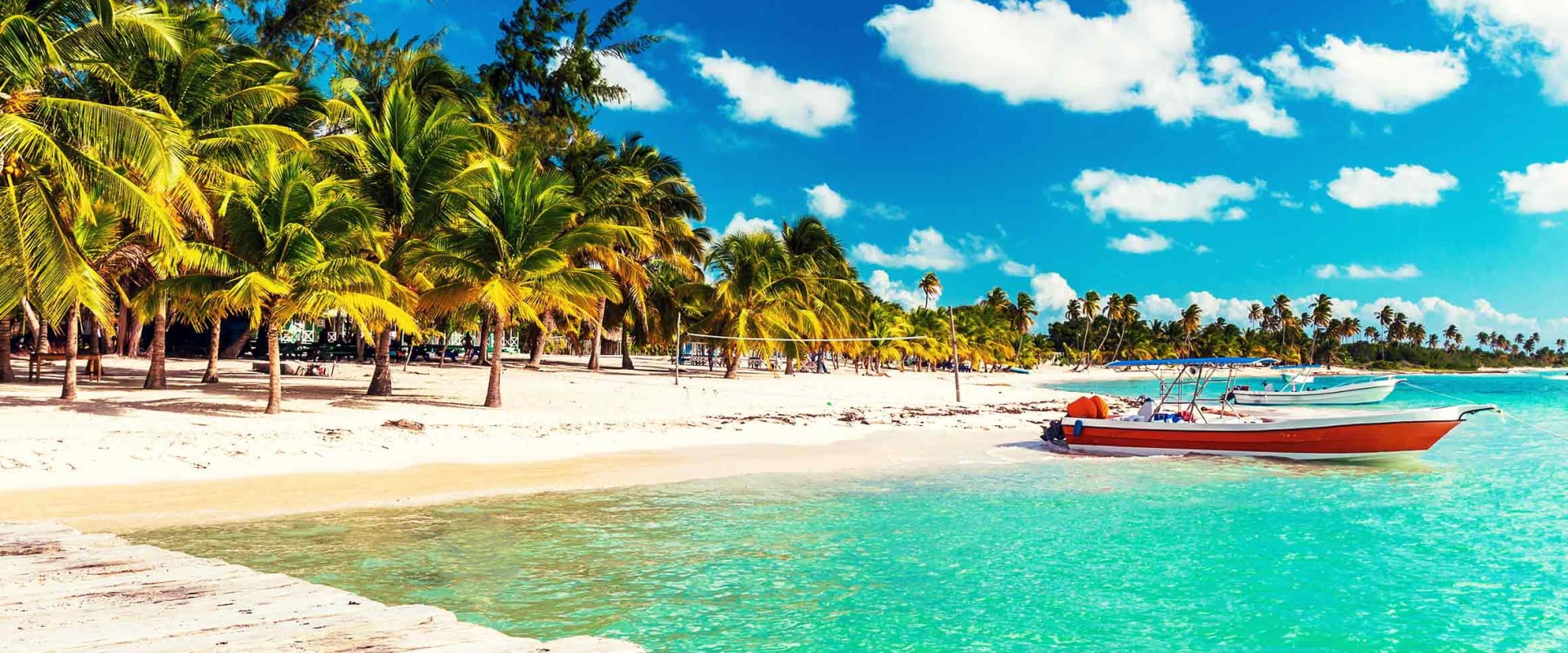
Punta Cana is a world-famous resort town on the eastern coast of the Dominican Republic, right in the heart of the Caribbean. It’s a tropical paradise with jaw-dropping natural beauty – think crystal-clear turquoise water, palm trees leaning in the breeze, colorful coral reefs, and a 50-kilometer stretch of soft white sand beaches. It’s the kind of picture-perfect backdrop that draws travelers from all over the globe looking for both R&R and thrill-seeking.
Punta Cana is the Dominican Republic’s top tourist destination, and one of the Caribbean’s most beloved vacation spots. It’s got everything: swanky all-inclusive resorts, amazing golf courses, adrenaline-fueled adventure tours, and a crazy nightlife. You can also venture to nearby natural attractions – unspoiled islands, national parks, and crystal-clear cenotes – which makes it a place for everyone.
The thing that keeps Punta Cana cranking up in popularity? Its accessibility. It’s served by Punta Cana International Airport (PUJ), which has a ton of direct flights in and out of it from all over the damn place. The airport is modern, and the customs process is quick and efficient; you can land and be on the beach without any hassle or holdups.
So, this guide’s gonna cover all things Punta Cana – where it is, what its name means, and the practical travel tips you’ll need (safety stuff, what to do, where to stay, answers to your burning questions) – everything, really. First time there? Or returning to see more? Either way, this article should give you everything you need to enjoy your trip with confidence and a whole lot of fun.
Geographical Location of Punta Cana
Punta Cana is at the far eastern tip of the Dominican Republic, in La Altagracia province. It’s positioned perfectly at the point where the Atlantic Ocean meets the Caribbean Sea – a confluence that defines both its landscape and coastal vibe. The area spans about 420 square kilometers (162 square miles), making it a hefty chunk of the country’s eastern coast. Its shoreline runs uninterrupted for over 50 kilometers (about 31 miles), making it one of the Caribbean’s longest continuous stretches of beach. This vast expanse, kissed by clear turquoise waters and dotted with palm trees, is quintessential Punta Cana. And it’s what draws you in.
The La Altagracia coastline (where Punta Cana is located) is about 100 kilometers (62 miles) long and famous for its gentle winds. These winds help shape the climate and the beaches and dunes, keeping the coastline in a constant state of flux. Along this shore, the ocean is generally pretty shallow, which has resulted in a number of natural marine pools. Protected by coral reefs and rock formations, these pools are safe and calm bathing spots away from the more powerful ocean currents, and they draw both tourists and locals.
Man, the beaches around Punta Cana. There are tons of them, and they’re all different. North of the Punta Cana cape you’ve got Uvero Alto, Macao, Arena Gorda, Bávaro, El Cortecito, Las Corales, and Cabeza de Toro. They range from a full-on tourist town with resort development as far as the eye can see (Bávaro) to a peaceful little stretch of sand where the only footprints are the bare feet of your fellow tranquility-seekers (Macao). And south of the cape you have Cabo Engaño, the actual Punta Cana beach, and Juanillo. All perfect white sand and impossibly blue water. It’s all part of this glorious patchwork coast that offers something for every type of beach-goer.
The damn thing is, where Punta Cana sits – right at the junction of the Atlantic Ocean and the Caribbean Sea – it creates this incredible marine environment, with clashing currents and differing water conditions. And the result? Unbelievable biodiversity. A whole lot of marine life. Punta Cana is a mecca for scuba divers and snorkelers, famous for its colorful coral reefs and teeming underwater worlds. The difference in water temperatures and currents is what helps create coral formations and sustain habitats for tropical fish, sea turtles, and other marine creatures. So much more than just pretty beaches, right?
Surrounding resort communities such as Bávaro and Cap Cana contribute significantly to the region’s overall geography and tourism infrastructure. Bávaro, once a small fishing village, has grown into a bustling resort town that retains elements of its local culture while serving as a gateway to Punta Cana’s beaches and activities. Cap Cana, located further south, offers a more exclusive atmosphere with luxury resorts and marinas set against a backdrop of natural beauty. Together, these communities complement Punta Cana’s geography by providing varied accommodation options and amenities while maintaining close proximity to the natural coastal environment.
I don’t know if you’ve noticed, but environmental stewardship is a huge part of keeping Punta Cana’s geography intact. Coastal zones and marine ecosystems are ecologically sensitive by nature, and so there’s been a concerted effort to encourage sustainable tourism practices here. The conservation efforts are focused on the coral reefs, keeping the beaches clean, and protecting marine life from the effects of overdevelopment and pollution. This all helps to make sure that Punta Cana’s natural beauty stays preserved, and continues to be a healthy home for wildlife and a stunning playground for us tourists.
The physical geography of Punta Cana shapes the recreational opportunities in the area. That long stretch of coastline and those calm marine pools? Perfect conditions for water-based fun – swimming, kayaking, paddleboarding, sailing, you name it. And with the Atlantic Ocean on one side and the Caribbean Sea on the other, your excursion options range from deep-sea fishing to coral reef tours in the more protected bays. Inland, you’ve got tropical forests and wetlands that not only boost the region’s ecological diversity but also give you hiking and wildlife-watching opportunities.
So, yeah – Punta Cana is located on the easternmost tip of the Dominican Republic (in La Altagracia province) at this incredible natural crossroads, where the Atlantic Ocean meets the Caribbean Sea. Its coastline is over 50 kilometers long and features a lineup of varied beaches and natural marine pools that shape its coastal character. The nearby resort towns of Bávaro and Cap Cana add even more to the area, as they mix cultural heritage with modern tourist infrastructure. The clash of ocean currents and environmental abundance results in a lively ecosystem that fuels both recreation and conservation. And getting this geographic context is key to understanding why Punta Cana is one of the Caribbean’s top travel destinations – famed for its jaw-dropping scenery, ecological diversity, and friendly shores.
The Meaning and Origin of the Name 'Punta Cana'
Punta Cana. Even the name is a rich little stew of linguistic meaning and cultural significance, all tied to the natural environment and history of the area. In Spanish, “Punta” means “tip” or “point,” and refers to the geographic feature of this place – located at the easternmost tip of the Dominican Republic. It’s where two enormous bodies of water meet; the Atlantic Ocean and the Caribbean Sea. This is why it has such a wonderfully distinctive coast. And “Cana”? That refers to the white cane palm trees (Sabal causiarum) that are indigenous to this part of the country, and have been a part of the landscape for hundreds of years.
These white cane palms are awesome – with their fan-shaped leaves – and apparently the indigenous peoples and early settlers used them for roofing their homes and other constructions. Not only did they influence architecture, but they also represented a profound connection between the people and their environment. The sheer number of these palms lining the coast created a unique natural marker that both early explorers and locals would recognize. So to call it “Punta Cana” – which means “Tip of the White Cane Palms” – is perfect. It so neatly captures both the geographic and botanical identity of the area in a few simple, evocative words.
Before the world knew it as Punta Cana, this place had other names. Names that nod to its indigenous and local history. The first name we have on record for the area is “Yauya,” from the Taino, the indigenous people of the island prior to European colonization. The Taino language and culture permeate many place names across the Dominican Republic, and Yauya is a lovely reminder of the island’s pre-colonial past. And then, during the colonial and early modern periods, the locals referred to the place as “Punta Borrachón,” which roughly translates to “Drunkard’s Point.” The etymology of this latter name is less clear, but it seems to have been a colloquial or informal nickname that eventually went out of use as the area was developed.
Punta Cana didn’t become Punta Cana until the late ’60s/early ’70s, when tourism developers started pouring money into the area. They realized that in order to attract international visitors, they needed a name that would both resonate and be easy to say. So they named it “Punta Cana,” highlighting the coastline’s natural beauty and distinctive environmental features. This renaming was part of a larger trend in tourism development, where places are named to showcase the most appealing aspects of a destination’s character, making it more marketable on a global scale. The name caught on quickly, as the area transformed into a world-famous resort destination; the original Puntacana Resort & Club was the beacon of this change.
Even now, decades later, the name Punta Cana still means something – culturally, beyond its linguistic and commercial roots. Those white cane palms are everywhere, and they’re more than just a pretty part of the landscape. They connect today’s residents and visitors to the area’s natural heritage. They’re not only part of the scenery; they’re a living connection to traditional building practices and ecological consciousness. The preservation of native flora (look at those Sabal causiarum palms!) is a testament to the ongoing struggle to balance tourism development with environmental sustainability.
First of all, understanding what Punta Cana means makes you appreciate its geography even more. It’s located at the tip where two huge bodies of water meet, and the “tip” part of the name is geographically descriptive – it’s literally a coastal landmark. Pretty cool, right? This setting is also the reason Punta Cana is so famous for its natural beauty (pristine beaches! vivid marine life!) and why it’s such a popular spot for scuba diving and snorkeling. The whole land-meets-sea thing, represented by the name, is part of why this place is so special in the context of the Dominican Republic’s varied landscape.
If you’re a traveler, knowing where Punta Cana comes from and what it means, adds so much to your experience. Rent a car and venture beyond the main resort areas. Or hop on a local bus (a guagua) to a nearby beach or town. Either way, you’ll see how the name reflects both the physical landscape and the cultural history of the area. Punta Cana is more than just a name. It’s your entry point into the connection between people, nature and place in this colorful corner of the Caribbean.
So, yeah. “Punta Cana” literally means “Tip of the White Cane Palms.” Which is a pretty dope name, and comes from both the Spanish language and the indigenous Sabal causiarum palms that have defined the area since forever. From its original Taino name Yauya, to the drunkenly-named Punta Borrachón, to the now-legendary Punta Cana (chosen carefully during the area’s tourism development), the name is a fascinating journey through history, culture and geography. And it’s this combination of stunning natural beauty and cultural significance that makes Punta Cana such a wonderfully unique place, with a rich connection to both its landscape and its legacy.
History and Development of Punta Cana
Before the 70s, Punta Cana was an isolated, unspoiled stretch of coastline. Dense palm forests and natural beauty ruled the land. A few small fishing and farming communities eked out a living here, their inhabitants living close to the land and sea, using age-old techniques to survive. They were connected by a handful of rough roads, which made getting to (and from) the area difficult, limited outside influences or large-scale development, and helped keep the environment pristine. But this isolation also meant that economic opportunities were few and far between, and the area remained largely unknown beyond its local boundaries.
The moment everything changed for Punta Cana? 1971. That’s the year Dominican entrepreneur Frank R. Rainieri teamed up with Theodore W. Kheel, a New York attorney with a background in business and development. Together, they imagined turning this remote stretch of coastline into a top-tier vacation spot, a place where international tourists could come to experience an untouched piece of the Caribbean. Their goal? To create a resort complex that blended the natural splendor of Punta Cana’s beaches with the creature comforts and infrastructure of the modern world. Thus began a radical transformation that would redefine the area’s identity and economy.
One of the first hurdles Rainieri and Kheel faced was picking a name for their destination. International visitors couldn’t say local names like Yauya, and they scrapped other options (like Punta Borrachón) for being unflattering or unappealing. In the end, they went with Punta Cana – a name inspired by both the coastline’s pointed geography and the number of Cana palm trees in the area. It has a natural and marketable quality to it.
First up: they had to build the damn infrastructure to actually support tourism. And one of their first orders of business was to fix the transportation links. Before any of this, getting to Punta Cana meant braving a series of bumpy, unpaved roads that became completely impassable during the rainy season. Rainieri and Kheel poured their money into building a network of solid roadways that connected Punta Cana to the rest of the Dominican Republic, making it easier to move both people and goods. They also led the charge in constructing a tiny airport, which would eventually grow into a major international hub. This airport opened up accessibility dramatically, allowing North Americans, Europeans, and more to get to Punta Cana more easily than ever before.
And alongside all the improvements to transportation, they developed critical utilities and services to create a functional and comfortable place for both visitors and residents. They installed waterworks systems to provide clean drinking water, and built waste management infrastructure to keep them sanitary. They extended electricity grids to power hotels and homes, and organized security services to protect this burgeoning community. They understood that social infrastructure was key, so they built hospitals to provide care, and schools for the children of tourism industry workers. This comprehensive approach to development helped establish the foundation for a sustainable community, one that could support growth over the long term.
As the infrastructure got better, and the area opened up, tourism in Punta Cana took off. The original resorts got bigger, and then new hotels and hospitality projects popped up to keep up with demand. The resorts ran the gamut – from luxury hotels for the super wealthy, to all-inclusives for families and groups. And to house the growing workforce needed by this booming industry, they built employee housing communities near the resort areas. These gave local workers a stable place to live, and helped promote economic stability.
The other thing that really drew us to Punta Cana as a family? The fact that all of the resorts have childcare and youth activity programs built right in. Baby Club Med! Petit Club Med! These adorable facilities are designed to create a safe and stimulating environment for your baby or toddler, while your bigger kids can play sports, make art, and generally do all the things that will make their vacation more awesome. It’s these family-friendly offerings that helped establish Punta Cana as a place that truly welcomes guests of all ages.
Air travel fucking exploded and that’s how Punta Cana became a tourist mecca. They built an airport. And then, over the years, they blew it up to handle more and more flights and passengers. Runway extensions, terminal upgrades, better customs facilities – all of it allowed for direct international flights from the world’s biggest cities. The better the connection, the more people came. And the more people who came, the more money poured into the place (into its restaurants and bars and entertainment and local tour operators sending you to do things with the stuff next door).
Punta Cana’s transformation from a godforsaken, jungle-covered stretch of coastline to a thriving resort hotspot is the stuff of legend. A tale of vision, of strategic planning, of relentless development efforts. It all started with a partnership between Frank R. Rainieri and Theodore W. Kheel. These two men combined their resources and expertise to build a place – a *resort*, really – that would provide the infrastructure necessary to meet the needs of both visitors and the local community. What’s remarkable about their work is this: as tourism flourished, so too did the quality of life for the people who lived there. Rainieri and Kheel ensured that the locals received basic services – education, healthcare, housing – alongside the influx of tourists.
So now, Punta Cana is one of the Caribbean’s most popular vacation spots – famous for its white sandy beaches, clear turquoise waters, and huge variety of places to stay and things to do. And the story of its development, carefully considered and executed, is a brilliant case study in how planning and investment can transform a once-remote area into a booming economic and cultural hub, all while honoring its natural landscape and local people. Knowing this history adds important context to your trip; as you enjoy Punta Cana today, keep in mind all the hard work that went into making it a world-class tourist destination.
Getting to Punta Cana: Travel and Transportation
The first thing you should know about Punta Cana? It’s super easy to get to. With an international airport that’s well-connected and a bunch of local transport options, getting to and around here is a breeze. Figure out how to get here and how to get around once you land, and the rest of your planning will be that much simpler. And your whole trip that much smoother.
Punta Cana International Airport (PUJ) is your main entry point if you’re flying in. It’s only a short drive from most resorts, and it’s one of the busiest airports in the Caribbean – which makes sense, given how much of a tourist hot spot Punta Cana is. The airport itself is modern and well-equipped to handle the huge number of international travelers that pass through it, with a customs and immigration process that is surprisingly efficient. They streamline everything, and usually your wait is minimal, which makes getting into the Dominican Republic easy and low-stress (especially after a long flight).
Punta Cana is super well-connected. You can fly direct from tons of major cities around the world. A lot of North American hubs (hello, New York, Miami, Toronto, and Atlanta) have frequent flights. And if you’re flying from Europe – especially the UK – your flight will usually have one stop through a major European hub (Madrid, Amsterdam, or Frankfurt are all popular) with airlines like Lufthansa, KLM, Air France, and TUI on the route. Total travel time from UK cities like Manchester, Glasgow, and Birmingham is generally ten to eleven hours, including your layover. With this many flight options, you can really choose the schedule that works best for your plans and your wallet.
The moment you land at PUJ, there are a bunch of ways to get yourself to your hotel or out into the world. A lot of resorts and hotels offer airport shuttle services – you can set one up ahead of time, or book it as soon as you land. If you want your transfer to be as easy and hassle-free as possible, shuttles are usually the way to go. They’ll take you directly to your lodging, provide a reliable and comfortable ride, and spare you the stress of figuring out local transport right after your flight.
“Flexibility” is the word if you don’t want to deal with hotel shuttles. Just outside the airport terminal, you’ll find authorized taxis waiting to take you wherever you want to go. (Note: Only use authorized taxis, or those arranged through your hotel, if you value safety, reliability and a fair price. The condition of the cars and the professionalism of the drivers can vary wildly when you use an unofficial taxi. If you’re going to use one, at least pre-book it or make sure you verify their credentials.) Uber is everywhere these days, and it’s convenient and affordable, but the ride-hailing app isn’t currently operating in Punta Cana. (Boo.) They do have some local ride-hailing services, which are apparently very popular with tourists, but I’d double check their existence and availability before you count on them.
So, car rentals at Punta Cana International Airport are another great transportation option (especially if you want to leave your resort and actually explore). There are a bunch of international and local rental agencies at PUJ, and you can snag a car as soon as you land. The awesome thing about renting a car is that you can check out all the different things this area has to offer – from gorgeous beaches and golf courses to quaint towns and cultural sites – at your own pace. Just be sure to brush up on the local traffic laws, road conditions, and driving customs in the Dominican Republic before you hit the road. The main roads around Punta Cana are pretty nice, but once you venture out into rural areas, be prepared for bumpy surfaces and little-to-no signage.
Punta Cana is super easy to navigate. It’s small, and all the resorts and tourist stuff are lined up along the coast. A bunch of resorts are just a short drive from one another, so taxis and hotel shuttles are your best bet for getting around. If you need to zip anywhere in the town centers or to the markets, taxis are convenient and the most popular form of transport. For local trips, just make sure you agree on a fare beforehand (or that a meter is used) to avoid any confusion or getting ripped off.
I know, I know. You’ve read about the taxis and shuttles and your brain is screaming “TOURIST TRAPS!” But some people – albeit a small percentage of the overall visitors – actually choose to go with a guided tour that includes transportation. And you know what? It’s a pretty smart way to see all the important stuff without having to figure out how to get from point A to B on your own. Plus, many of these tours throw in a healthy dose of local culture and history and natural wonder, which makes them especially appealing to first timers.
Okay, but here’s the best part: Punta Cana’s entire travel and transportation infrastructure is built to efficiently handle a shit ton of tourists. Direct international flights. A modern airport with super quick and easy arrival procedures. And a whole bunch of safe transportation options. It’s so easy and convenient to get to and around Punta Cana. Whether you want to take pre-arranged shuttles, use authorized taxis, rent a car, or go on guided tours, figuring out your transportation options ahead of time will ensure that you have a relaxed and enjoyable start to your Caribbean vacation.
What to Pack for Punta Cana: Essential Items and Tips
Packing for Punta Cana is a bit of a puzzle. You’ve got to think about the tropical climate, the range of things you might do, and the local culture. Get it right, and you’ll be comfortable, (mostly) convenient, and at ease – free to revel in the island’s stunning scenery and electrifying vibe, without worrying that you’ve forgotten something essential or that you’re overstuffed with stuff. Now. Where was I? Ah yes
Even though it’s always warm and humid in Punta Cana, your packing list should start with lightweight, breathable clothing. Think natural fibers (cotton! linen!) and moisture-wicking blends that keep you cool and help with airflow and body temperature regulation. Your typical wardrobe will consist of short-sleeved shirts, tank tops, sundresses, shorts, and skirts. The tropical climate demands a lot of outfit changes (especially after you swim or do anything watersport-y), so pack plenty of casual get-ups. At the very least, make sure you have two swimsuits, so you always have a dry one ready for the beach, lounging by the pool, or snorkeling adventures. And in this quick-dry fabrics are your friend.
You guys. SUN PROTECTION. Seriously, when you’re in Punta Cana (or anywhere in the Caribbean, really), that sun is NO JOKE. It’s fucking blazing all day, every day. You need to bring reef-safe sunscreen (with a high SPF rating, obv) not only to protect your skin, but to protect the fragile marine ecosystem. (Fun fact: sunscreen is one of the leading causes of coral reef damage.) Since you’ll be slathering it on liberally under that intense sun, you should probably pack more than you think you’ll need. Also bring a wide-brimmed hat or cap, and UV-protective sunglasses to shield your face and eyes from those damaging rays. Lightweight cover-ups or sarongs are also handy for extra sun protection at noon, or when you’re in more modest settings (local restaurants and churches, etc.).
And insect protection, man. That’s a biggie too, especially in the evenings, or if you’re going more natural/wooded around Punta Cana. Mosquitoes and other biting things are annoying as hell, so make sure you pack an effective insect repellent. It’ll make your trip so much more enjoyable. You can go with a natural repellent, or something with DEET – whichever you prefer and what your skin can handle. Also, I’d throw in something for after-bites (like after-bite cream, or a soothing lotion) in case you do get bitten.
Don’t forget your health and wellness essentials when you prep for your trip. A tiny travel first aid kit – with band-aids and antiseptic wipes, pain relievers, and any personal meds you take – means you’re ready for minor ailments or injuries. And keeping up with your regular health routine while on vacation is good for you, so bring vitamins, allergy medicines, digestive aids, or whatever you’re prescribed. Also, hydration is key (especially in the heat of Punta Cana), so pack a reusable water bottle to take with you on your adventures. Not only is this better for your health, it helps reduce plastic waste too.
Your footwear choices are key to striking the perfect balance between chilling out and having adventures while you’re there. If you want to explore local markets or historical sites or hike in a national park, you’ll need comfortable walking shoes – something with proper support for longer outings. And if you’re spending a day at the beach or lounging by the pool, water-resistant sandals or flip-flops are a must. Don’t bring heavy or stiff shoes that will feel awful in the heat, or that you’ll find impractical in sand or water. Personally, I’ve found that as long as you pack one versatile pair of sneakers and a couple of pairs of sandals, you’ll be fine in almost any situation.
What’s the secret to packing efficiently? Traveling light. A lot of people who go to Punta Cana only carry on, which means less risk of lost luggage and a simpler transit through airports and hotels. They use organizational tools (like packing cubes) to squish their clothes down and keep everything tidy. This way, you can grab what you need without unpacking your entire bag. They also emphasize versatile pieces that can be mixed and matched, so you can make a bunch of outfits from a small amount of stuff. This lets you go from casual daytime activities to evening outings without the extra bulk.
Beyond clothes and health stuff, the other thing you need to prepare carefully is your travel documents and money. A secure travel wallet or neck pouch can keep your passport, your ID, your credit cards, and cash organized and safe while you roam. – While pretty much everywhere in Punta Cana takes the major credit cards, it’s smart to have some local currency on you for small purchases, tips, or if you find yourself in a more remote area.
Yes. In addition to the essentials, throw in a few extras that’ll make you more comfortable and convenient. I’d recommend a lightweight backpack or beach bag for carrying your daily necessities – sunscreen, water, snacks, a book, etc. A waterproof phone case or dry bag will keep your electronics safe while you’re doing anything in the water. A tiny travel umbrella or lightweight rain jacket might be useful during unexpected tropical downpours. And if you’re planning on going out at night, bring a couple of dressier outfits and the appropriate shoes. That way you’ll be ready to eat at fancy resorts or go to local happenings.
In the end, a well-considered packing list – tailored to Punta Cana’s tropical climate and your planned activities – helps ease those last-minute panics. When you show up with everything you need (breathable clothing! sun protection! health essentials! travel documents!), you can concentrate on enjoying the gorgeous beaches and rich culture and thrilling adventures that make Punta Cana so great. This sweet spot of preparedness and light packing maximizes your comfort and freedom throughout the trip.
Safety and Things Not to Do in Punta Cana
You’ll hear this everywhere: Punta Cana is safe. Safe for tourists, anyway. Especially within the confines of its resort areas. Most resorts have their own private security forces, and that goes a long way in making sure you feel safe and creating a secure environment. These controlled areas help keep the violent crime rate low, and it’s backed up by the U.S. government’s Overseas Security Advisory Council, which states that violent crime against tourists in resort areas is quite rare. But just because it’s overall safe, doesn’t mean you should let your guard down. Not when you step beyond the resort into local neighborhoods or less touristy areas.
The first thing you’ll notice when you step off the plane (after the humidity) is how aggressive the sales tactics are. Everyone wants you to go to a timeshare presentation, or to buy a vacation property, or something. The timeshare salespeople are relentless. They use high-pressure tactics to get you to either agree to go to a presentation, or to buy something, and the whole exchange is uncomfortable and time-consuming. Often it results in unwanted follow-up contacts with you, or even a scam. The general advice is to firmly and politely decline any invitations/offerings without engaging in a lengthy conversation. Do not share personal information. Do not agree to attend a sales event out of politeness; that will be used against you. Keep your boundaries clear, and do not negotiate or discuss anything. This is the safest way to navigate these interactions.
The nighttime safety stuff? It takes extra vigilance, man. Like, just like every other tourist destination on the planet, Punta Cana has had incidents of drink spiking. (It’s especially a problem in bars and nightclubs.) To minimize your risk, stick to bottled beverages (beer is best) that are opened in front of you. And keep your thumb over the bottle top – that way, nobody can tamper with it. Mixed drinks, or drinks served in open glasses, are much more likely to be spiked, so be cautious. And never leave your drink unattended, or accept a drink from a stranger. This is especially critical for solo female travelers, who may be more vulnerable during their nighttime adventures. Also, stay in crowded, reputable places; travel with friends whenever you can; and use trusted transportation at night. All of this will help keep you safer.
Now, here’s the thing: transportation safety is another major consideration in Punta Cana. With limited public transportation options that don’t really cover much of the Punta Cana area, relying on public transit becomes less practical (and potentially less safe for clueless tourists) You’re better off renting a car or arranging private transportation through your hotel or a reputable service provider. At least this way, you have more control over your travel plans, and your risk of getting lost or overcharged goes down considerably. Authorized taxis and pre-booked shuttle services are a safer bet than simply hailing a ride from the street, where unregulated drivers can overcharge you or put you in danger with their driving habits. When taking a taxi, make sure you agree on a fare before you start the trip, or insist that they use a meter if one is available. And don’t accept rides from unofficial drivers or people who randomly offer you a ride.
General traveler safety tips for Punta Cana: – Protect your stuff! Use your hotel safe, and don’t carry a lot of cash or expensive jewelry or other valuables when you leave the resort’s boundaries. – Be aware of your surroundings, especially in less crowded or dimly lit areas after dark. – Be cautious if approached by strangers or street vendors. This can sometimes lead to scams or theft attempts (though most local vendors are honest). Just stay alert, and politely decline any unsolicited offers. – Keep a low profile. Avoid flaunting your wealth, and you’ll be less likely to become a target.
The first rule of Punta Cana: food and water safety. Sure, the resorts and even many of the restaurants follow good hygiene practices, but if you eat street food or decide to dine at a sketchy looking place, you do run the risk of contracting a foodborne illness. To minimize your chances, stick to well-reviewed and reputable restaurants. Oh, and everyone will tell you to drink bottled water instead of tap water to avoid any gastrointestinal issues. Use bottled water to brush your teeth, and avoid ice cubes made from tap water, and you should be fine.
Personal accounts from travelers and expats living in Punta Cana mostly back up the idea that it’s a pretty safe place relative to other spots in the Caribbean. For example, a few of the long-term residents I found feel safer in Punta Cana than in parts of Puerto Rico or even other cities in the Dominican Republic. They describe the vibe as being more like touristy areas in Florida, where safety measures and infrastructure are designed almost exclusively with tourists in mind. Of course, individual experiences vary, and it’s worth noting that no place is ever 100% risk-free. As with anywhere, using common sense, staying aware, and taking basic safety precautions are important for all travelers.
So, to sum it all up: safety in Punta Cana – a.k.a. the resort areas are super safe (and violent crime is virtually non-existent), but still be smart and pay attention. Firmly decline anything you’re not interested in (including the aggressive sales pitches). Practice drink safety at night. Use reputable transportation. Keep your belongings close. Be careful with what you eat and drink. Do these things, and you can safely enjoy all the gorgeousness and fun that is Punta Cana. With a little bit of precaution, you can let yourself relax and take in the sights, sounds, and flavors of the Dominican Republic without worrying unnecessarily about things you can avoid. Being prepared and informed means you can spend your time focusing on having an amazing vacation, instead of fretting about avoidable risks.
Activities and Attractions in Punta Cana
Everybody knows Punta Cana for its amazing beaches and beautiful blue water, but there’s so much more to this place than sunbathing and swimming. If you’re a traveler who wants to do a little bit of everything, you’ll find that Punta Cana has something for almost every vacation type – adventure junkies, culture vultures, families, and those who want their R&R with a side of fun.
You’re gonna spend your time in Punta Cana doing water stuff. Lots and lots of water stuff. Snorkeling, for one. It’s right there, just offshore – vibrant coral reefs full of tropical fish. And these ecosystems are the perfect way for both complete novices and seasoned snorkelers to dip a toe into the world of marine life. You’ll see schools of colorful fish, sea turtles, and beautiful coral, all without too much effort on your part. If you’d rather be pampered and take it all in at a more leisurely pace, hop on a catamaran tour. They’ll sail you along the coast, and often stop for swimming and snorkeling in remote coves. Sunset cruises are especially popular (and for good reason), as you get to watch the sun set over the Caribbean Sea while sipping a drink and listening to live music. Scuba diving is another must-do in Punta Cana. There are plenty of dive centers offering guided trips to explore deeper reefs, underwater caves, and sometimes even shipwrecks. With warm water and good visibility year-round, Punta Cana is an appealing destination for underwater adventuring, no matter your level of expertise.
If you’re the kind of traveler who craves *uniquely awesome* marine encounters, you can join an organized excursion to swim with dolphins or safely watch sharks in a tank. It’s an adrenaline-filled, educational, and (thankfully) responsible way to connect with marine life. Or, if you prefer your ocean experiences from the end of a fishing pole, there are sea fishing charters that will take you out to catch (and hopefully land) such trophies as marlin, dorado, and tuna. Anglers looking for a challenging and gratifying day on the water will be in heaven.
Yeah, so look: Punta Cana’s got everything, right? Beaches, resorts, clear water – but if you step beyond the water, you’ll find that this place is also home to some of the most stunning ecological sites in the Caribbean. You should definitely go inland. OH MY GOD I NEED TO GO HERE. You should absolutely do a day trip to Saona Island, though. Everyone tells you to go, and for good reason. Part of the East National Park, Saona Island has everything you picture when you imagine Caribbean paradise: miles of pristine white-sand beaches, clear turquoise waters, and palm trees swaying in the breeze. The tours typically involve a catamaran or speedboat, time spent swimming and sunbathing, and a traditional Dominican lunch served on the beach. Relaxation and natural beauty – what more could you want? It’s no wonder Saona Island is a top destination for a memorable day trip.
Hoyo Azul, a freaking gorgeous turquoise lagoon in Cap Cana. Seriously. Look at it. You can swim in it, and take a million beautiful photos, and it’s surrounded by lush greenery and awesome limestone cliffs. I die. To get to Hoyo Azul, you hike down a short forest trail (ahem, it’s not really a hike, more of a walk) which makes it an easily accessible adventure for most anyone. Also, I loved it as a break from the oceanfront beaches. It’s a nice little slice of nature for those who prefer their paradise on the quieter side.
So Punta Cana isn’t just all gorgeous beaches and palm trees. There’s also a ton of rich culture to soak up, if you’re into that sort of thing. If you’re a history buff or just curious about the local traditions, you can check out the ancient Taino caves that are dotted throughout the area. They’re filled with archaeological artifacts and petroglyphs that tell the story of the island’s indigenous people, and they add an awesome little layer of depth to your vacation (and your Instagram feed). And then there are the artisan markets. Local craftsmen sell everything from handmade ceramics to wooden this-and-thats to locally grown coffee. It’s the perfect place to pick up a genuine souvenir (supporting Dominican artisans in the process) and get a taste of the culture.
Look, if you’re a family traveling to Punta Cana, you’re gonna have a ton of stuff to do that’s fun for both kids and adults. Most resorts have some kind of family program, with supervised activities, kid pools and playgrounds, and entertainment all designed to keep the little ones happy. And even beyond the resort, there are eco-parks and animal sanctuaries that offer educational and interactive experiences for all ages. You can safely see native wildlife up close, and learn about the area’s conservation efforts, while having a blast and doing something meaningful.
When the sun goes down, Punta Cana’s nightlife explodes. Seriously – there’s everything from Trendy clubs (Coco Bongo is the most famous) with their high-octane shows of live music, acrobatics and dancing – it’s the ultimate party if you’re a night owl. To beachside bars where you can sip on tropical cocktails and sway to local music under the stars, if you want something more low-key. And of course, many resorts have their own cultural nights, showcasing traditional Dominican music and dance – a lovely glimpse into the local culture.
Whoa. So, uh, wait a second. Did you just say Punta. Cana. Has. Horseback. Riding? Fuuuuuuuuuuuuck. Ok, moving on. Yeah, yeah. Outdoor “everything” is totally my jam. I’ll play golf. I’ll hike. I’ll ride a goddamn horse if that’s how I get to see the countryside and the beaches. *adds Punta Cana to the bucket list*
OH, PUNTA CANA. The amazing part? The tropical climate means you can do all this year-round. Average temp hovers around 26 °C (79 °F) and from May to October, it’s hot and humid season (daytime temps can hit 35 °C (95 °F)). From November to March, it’s milder (with cooler evenings averaging 20 °C (68 °F)). You’ve gotta love that consistency. It makes Punta Cana a perfect destination for anyone who wants their outdoor adventures and beach lazing to be reliably delightful, no matter when they visit.
In short, Punta Cana is so much more than its beautiful beaches. Whether you’re snorkelling or diving in the underwater world, soaking up natural beauty at Saona Island and Hoyo Azul, immersing yourself in the local culture and artisan crafts, partying your face off, or enjoying family-friendly programming, there are a million reasons to stay longer. With such a wide variety of options, every type of traveler can customize their experience to fit their interests. Punta Cana is so much more than a beach resort; it’s a lively destination full of nature, culture, and adventure.
Accommodation Options in Punta Cana
The thing about Punta Cana? The goddamn range of places to stay. Seriously. Whether you want a sprawling all-inclusive resort that puts everything at your fingertips, or a swanky private villa in a gated community where the only thing you hear are the sounds of palm trees swaying, you can find exactly the kind of lodging that meets your comfort/privcy/convenience expectations.
All-inclusive resorts are the most popular choice for Punta Cana visitors. They make vacationing so easy — you get lodging, meals, drinks, entertainment, and activities all in one neat package. Most of these resorts have several different places to eat, with menus that range from traditional Dominican fare to beloved international staples, and they cater to all dietary restrictions and preferences. The best part? You can have a whole culinary adventure without ever leaving the resort. They also have pools and spas and gyms and kids’ clubs and entertainment programs, which is why they’re such a hit with families and couples and groups who want to have fun without any effort whatsoever.
Look at Club Med, for instance: swank rooms and suites designed purely for maximum chill. Their all-inclusive model is about comfort and adventure, with tons of on-site activities (water sports! cultural immersions!) to choose from. It’s a vibrant place; you can party with your fellow guests or curl up in a quiet nook, depending on your mood.
If you’re the kind of traveler who seeks a higher level of exclusivity and refined elegance, Punta Cana has luxury hotels and resorts that offer unrivaled privacy and personalized service. Tortuga Bay is the only AAA Five Diamond-awarded hotel in the Dominican Republic, and it’s a member of the prestigious Leading Hotels of the World. The property consists of 13 luxury beachfront villas, all designed by fashion icon Oscar de la Renta. The villas – which range from one to four bedrooms – line a perfectly pristine white sand beach, giving guests an intimate hideaway with world-class amenities. This is the kind of place that draws a particular type of traveler; someone who appreciates understated luxury, privacy, and immediate access to natural beauty.
Look, if you’re a family traveling with kids, pretty much every resort out there is going to cater to your specific needs. Family-friendly places to stay generally have spacious suites or connecting rooms (no matter how big your group is), and many of them also offer supervised children’s programs, playgrounds, kid-friendly pools, and a whole host of activities specifically designed for little ones. It’s great – parents can actually relax knowing their kids are entertained and looked after in a safe environment. And it’s not just families with young kids who benefit from all of this. Multi-generational families can take advantage of it too, as resorts often provide something for every age (and stage) under one roof.
And then, on the other end of the spectrum, you’ve got adults-only accommodations like the Zen Oasis suites, which offer a tranquil little haven for couples (or solo travelers) who want to escape the energetic family vibe that permeates so many resorts. These suites are all about creating a peaceful environment, through minimalist design, soothing color palettes, and amenities focused on relaxation and intimacy. The adults-only areas often have their own exclusive pool, bar, and wellness center, which makes them perfect for honeymooners or anyone else who wants to chill out in a more muted atmosphere.
But it’s not just hotels and resorts – Punta Cana’s accommodation scene also includes private villas and residential communities, which offer a different kind of experience altogether: more space, more privacy, and that lovely home-away-from-home comfort. The gated communities (especially those near the La Cana Golf Course or in the Puntacana Resort & Club area) boast gorgeous upscale residences with breathtaking ocean views. Residents have access to exclusive perks – golf courses, private beaches, tennis courts, clubhouses – and the properties are particularly appealing to those traveling with a group for an extended period of time, or anyone who wants a little independence with their luxury. Plus, living in one of these communities gives you a taste of the local lifestyle, while still enjoying all the high-end amenities and security that your heart desires.
You know, when you’re choosing where to stay in Punta Cana, keeping a couple of practicalities in mind can seriously elevate your whole experience. First – while English is spoken at pretty much all the touristy hotels and resorts, knowing a handful of basic Spanish phrases can help you A LOT, especially if you venture outside of the resort for an excursion or to interact with local vendors. Even just a ‘hello’ and ‘thank you’ goes a long way, and the effort is always appreciated. Plus, it makes your cultural encounters that much richer.
Also, before you book anything, you should totally check out the resort’s specific policies – like the dress code for their dining venues or their behavioral guidelines (to make sure you’re respecting local customs, and other guests) – and how those policies change between family-friendly resorts and adults-only properties. They can be quite different, and knowing this stuff ahead of time will help you avoid any unpleasant surprises during your stay.
Book early, especially during peak travel times (i.e. winter holidays or spring break when Punta Cana is packed). The earlier you book, the better your odds of getting the room type or villa rental you want – plus, you’ll often get better rates and/or package deals.
Damn, even the hotels in Punta Cana are all-inclusive and top-notch. This place really knows what it’s doing as a Caribbean destination. Whether you want the ease and socialness of an all-inclusive resort, the polished privacy of a luxury villa, the customized services of a family-friendly hotel, or the peace and quiet of adults-only suites, Punta Cana has something for everyone. With such a wide variety of options, you can plan your trip with confidence to suit your tastes, all while enjoying the incredible hospitality this area is known for.
Frequently Asked Questions about Punta Cana
Where is Punta Cana located?
Punta Cana sits at the easternmost tip of the Dominican Republic, a Caribbean nation on the island of Hispaniola. It’s wedged between the Atlantic Ocean (to the north) and the Caribbean Sea (to the south), giving it around 100 kilometers (62 miles) of coastline. With white sand beaches and turquoise waters on both sides, it’s no wonder this is a mecca for beach bums and water sport enthusiasts alike. The area boasts several famous beaches – Bávaro, Macao, Arena Gorda, and Juanillo – that line the coast both north and south of the Punta Cana cape.
What does Punta Cana mean?
Did you know that “Punta Cana” translates to “Tip of the White Cane Palms”? Pretty cool, right? The whole place was named for the native vegetation that lines this coast. “Punta” means “tip” or “point” (as in, the geographic tip of the peninsula), and “Cana” refers to the white cane palms that used to grow here in abundance. I love that this name connects you to the natural world that existed before Punta Cana was turned into a resort hotspot.
Is Punta Cana safe for travelers?
Punta Cana is *safe*. Or so they say. Especially in the resort areas and the touristy, well-trafficked parts of town. Most people have totally uneventful, trouble-free vacations. Still, you should always keep your wits about you when traveling, and be aware of common scams and safety issues. The most prevalent problem I found was aggressive timeshare salespeople. They’ll approach you on the street (or at the beach) wearing a uniform to make themselves look legitimate, but they have nothing to do with the resorts. Their goal is to force you into a high-pressure sales presentation for an expensive contract that you’ll inevitably regret purchasing. Also, watch out for drink spiking at nightclubs, and never leave your drink unattended. And as a general rule, follow basic safety precautions (stay in well-lit areas, don’t flaunt your valuables, use reputable transportation), and you’ll be fine.
How do you pronounce Punta Cana?
Punta Cana is pronounced “POON-tah KAH-nah.” First syllable of each word, stressed. Do it this way and you’ll show respect for the local language and culture, and connect so much better with locals and your guides. Don’t put the emphasis on the wrong syllables, or awkwardly blend the words together. It can result in misunderstandings, or worse – mark you as a traveler instead of someone who actually knows the place. Get it down, and your entire experience will be better. From booking your tours, to what conversations you have while you’re there.
What should I pack for a trip to Punta Cana?
So here’s the deal. When you pack for Punta Cana, think warm. Tropical. Sunny with a breeze now and then. Bring lightweight everything (shorts! T-shirts! Sundresses! Swimsuits!), and pack the highest SPF sunscreen you can find (seriously, those UV rays are no joke) and insect repellent (mosquitoes love you in the evenings) and comfortable walking shoes or sandals (you’ll want to roam around your resort and possibly beyond). Oh, and don’t forget your passport or any other important travel documents! And some cash and credit cards for tips, purchases, and random stuff. Depending on what you plan to do, you might also want to bring your own snorkeling gear, a hat, sunglasses, and a reusable water bottle.
Do I need a passport to travel to Punta Cana?
Yep. Every international traveler (including you, heading to Punta Cana) needs to have a valid passport in order to enter the Dominican Republic. And that passport should be valid for at least six months beyond your date of entry, in order to satisfy their immigration requirements. There are a few exemptions for certain residents or nationals of countries with special agreements, but the vast majority of visitors – including those from the United States, Canada, and Europe – will need a valid passport. Oh, and make sure you have any required visas or travel authorizations, depending on your nationality. It’s a good idea to check current entry requirements well in advance of your trip.
How far is Punta Cana from major cities like New York or Miami?
Punta Cana is about 2,184 miles (3,515 kilometers) southeast of New York and Miami. Flights from these cities generally go southeast, at about a 120-degree angle from north. Punta Cana International Airport (PUJ) sees direct flights from a handful of North American airports, so it’s an easy destination to reach if you’re traveling from the U.S. or Canada. Flight times are typically four to five hours, depending on where you fly from.
What should I avoid doing in Punta Cana?
*Pro-tip: while you’re in Punta Cana, don’t talk to the unsolicited timeshare salespeople. They’ll try to pressure you into going to a presentation, or worse, buying a ridiculously expensive contract. * *They always wear some sort of uniform to make them look official, but they have nothing to do with the resorts.* *Oh, and don’t accept a drink from a stranger, and don’t leave your drink unattended, if you want to avoid getting your drink spiked (especially in nightlife spots).* *Also, don’t wander into deserted or poorly lit areas after dark, and don’t flash a bunch of cash or expensive jewelry to lower your chances of theft.* *And finally, respect the local culture and environment. If you want to be a good visitor, protect marine life and dispose of your trash properly.*
Are there common scams travelers should watch out for in Punta Cana?
Sure, timeshare sales schemes are bad, but beyond that, travelers should also keep an eye out for the little scams that happen in touristy areas everywhere. The cab driver who overcharges you. The unlicensed guide who offers tours. The vendor who jacks up the price of a souvenir or service when they spot a tourist who clearly doesn’t know the going rate. If you stick to official transportation options, negotiate prices upfront, and book tours with reputable companies, you can avoid all of this. Be aware and cautious, sure, but don’t let yourself become overly paranoid. You can have a great trip while also protecting yourself from the most common of pitfalls.
Is renting a car recommended in Punta Cana?
Renting a car in Punta Cana is the best way to explore on your own terms, beyond the resorts and into the towns nearby. There are plenty of car rental agencies (the major ones, at least) at Punta Cana International Airport and at the larger resort complexes. But be warned: the driving may not be what you’re used to. Roads can be rough, and locals drive more aggressively than you might be accustomed to. If you’re on a budget or want a more authentically local experience, public transportation (buses! “Guaguas”! small minivans!) is a cheap and easy way to get to the nearby beaches and towns. Personally, I would rather brave the local traffic than rent a car. Just make sure you’re comfortable with the local driving before you decide to rent a car.
What are Punta Cana’s beaches like?
Look, everyone’s heard of Punta Cana and its insane beaches. White sand. Crystal turquoise water. The works. The coastline is packed with all kinds of beach – from bustling resort strips to blissfully quiet stretches. North of the cape, you’ve got all the popular spots – Uvero Alto, Macao, Arena Gorda, Bávaro, El Cortecito, Las Corales and Cabeza de Toro. Go south of the cape and you’ll hit Cabo Engaño, Punta Cana beach itself, and Juanillo. A lot of these beaches have shallow waters and natural marine pools, making them safe for swimming and perfect for families or less confident swimmers. Plus, they usually enjoy a nice breeze from the ocean, which helps cut the tropical heat.
What is the Punta Cana coastline like?
The Punta Cana coastline stretches about 100 kilometers along the eastern edge of the Dominican Republic, flanked by both the Atlantic Ocean and the Caribbean Sea. This dual-ocean situation creates varying marine environments and weather patterns; you’ll find that it’s pleasantly windy along the shore. The coastline is a stunning mix of white sand beaches, rocky outcrops, coral reefs, and natural pools created by the shallow waters. This variety means a rich diversity of marine life and countless opportunities for water sports (snorkeling! diving! fishing! boating!). The coastline’s unspoiled beauty is a big part of what makes Punta Cana such a desirable vacation destination.
Conclusion: Plan Your Perfect Punta Cana Trip
So, Punta Cana is one of the most popular spots in the Caribbean. And it’s not just because it’s so freakin’ beautiful. It’s because of its amazing geographic location – where the Atlantic Ocean meets the Caribbean Sea. They meet here, at this rare coastal confluence, and the result is pure magic: over 50 kilometers of unspoiled white-sand beaches and crystal clear turquoise water. I mean, just look at it. This kind of natural beauty is the perfect setting for anyone looking to relax or seek thrills. Whether you want to sun yourself on soft sands, swim in serene waters, or snorkel and dive among colorful sea life, Punta Cana’s varied shoreline has something for everyone.
The region’s warm tropical climate only adds to its allure – with temperatures that beg you to spend every second outside, doing, well, everything and nothing at all, year round. The dry season (December through April) is especially popular with tourists; the weather is lovely, with little rain and comfortable humidity, making it the perfect time for beach days and golfing and adventures. But even with its generally predictable weather, Punta Cana is enjoyable at any time of year, which makes it a great option for flexible travel plans.
Sure, here’s my attempt at rewriting this section. It’s not as polished, but I think the energy is better. – Sure, it’s gorgeous. But beyond the natural allure, Punta Cana has morphed into a full-on leisure destination, with something for everyone. The golf courses are internationally renowned, drawing players from all over. The water sports – windsurfing! paddleboarding! deep-sea fishing! – are thrilling if you’re looking to get your adrenaline pumping. And if you love nature, you can hike in one of the ecological reserves or parks nearby; the guided tours will show you the area’s biodiversity and ecosystems. Or, you can go on a boat trip to a nearby island, or plunge into crystal-clear cenotes. It’s all so perfectly Instagrammable.
Punta Cana’s hospitality infrastructure is top-notch and diverse – tons of all-inclusive resorts of varying budgets and tastes. These places usually have everything: sprawling spas, gourmet restaurants, entertainment, kids’ clubs – you can customize your experience to be as relaxed or as jam-packed as you want it. And the local culture is sprinkled throughout the entire visitor experience; you can eat Dominican food, listen to live merengue, and interact with the charming locals who add so much warmth and genuineness to your trip.
A little prep goes a long way. If you’re headed to the tropics, pack light, breathable clothes. And bring sun protection – hats, sunglasses, and reef-safe sunscreen will save your skin. Wear comfortable shoes – whether you’re strolling the beach or hiking in a national park. And make sure you have your important travel documents (passports! visas!) sorted ahead of time. Also, bring some local currency, or a payment method that will work, so you can easily pay for things during your trip. Oh, and if you stick to a few basic safety rules (stay in busy areas, don’t wander alone at night, and keep an eye on your stuff), you’ll have a completely carefree vacation.
To sum it all up: Punta Cana has incredible natural beauty, perfect weather, and tons of things to do. It’s the ideal destination for any traveler looking for a well-rounded Caribbean getaway. With its miles of pristine beach and a lively culture and modern conveniences, you can either completely chill out or have a high-energy adventure. And with a little bit of planning and some travel know-how, anyone can take a Punta Cana trip that meets their vacation goals. Whether you’re after tranquil beach escapes, adrenaline-pumping exploits, or the plushest of resort pampering, Punta Cana delivers a rich and satisfying holiday experience that you won’t soon forget.